1. The Influence of Fantasies on Creating the Red Room
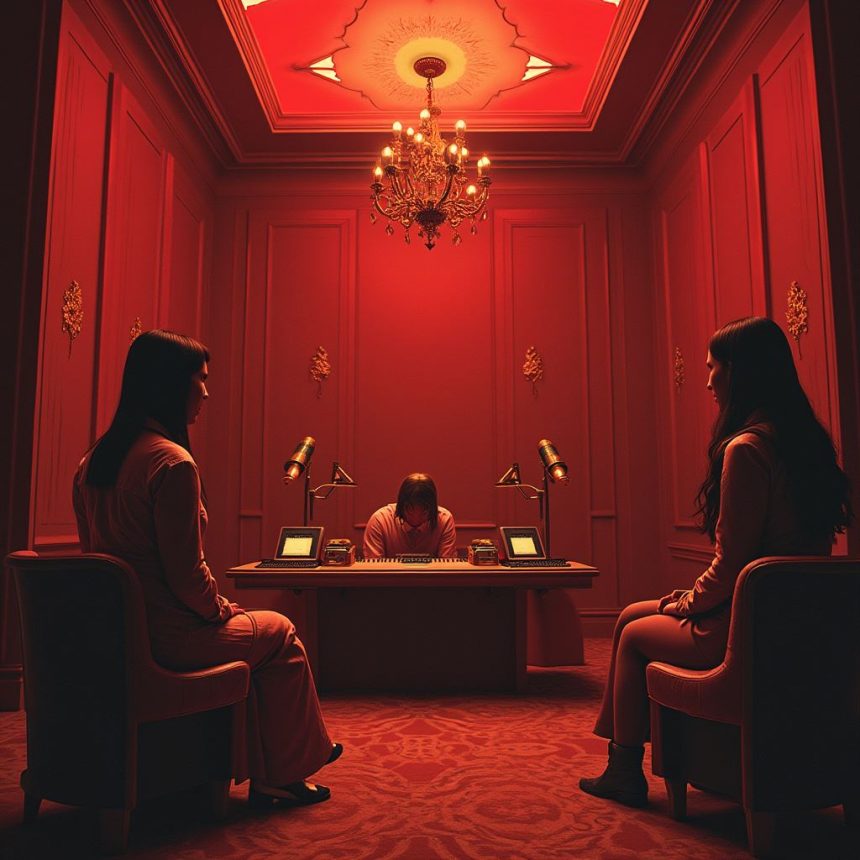
The red room is a classic fantasy that reflects the inner world of a person. It is a place where every dream, desire, and passion manifests in a wonderful and spectacular way. The red room represents the deepest and most intimate fantasies of the human soul.
The influence of fantasies on creating the red room is immense. Our imagination leads us to create an ideal space, where every emotion and desire can freely and unlimitedly spread. The red room is a place where we can be who we only dreamed of being, embodying our most beloved and fascinating characters.
The adventure in the red room reveals all sides of ourselves that we try to hide.
Alex Cross – Human Resources Manager
The most common fantasies that influence the creation of the red room are romantic and sexy fantasies. Most of us dream of moments of passion and romance, and the red room offers the perfect stage to turn these dreams into reality.
In addition, our inner fantasies influence the design and walls of the red room. Each person designs this space according to their feelings, desires, and deepest dreams. The red room is a gallery of personal fantasies, reflecting the inner world of its owner.
In conclusion, the red room is a place where every fantasy can come true. It is a space where every dream can become reality, and every desire can be fulfilled. Our fantasies influence every aspect of the red room, from design to atmosphere. Thanks to them, the red room becomes a true work of art that reflects our soul and characters in a wonderful and spectacular way.
Evolution and Use of Fantasies in Modern Art
Fantasy is a realm that reflects human imagination and inner desires. During the development of modern art, one can first see a widespread use of classic and common fantasies. Fantasy serves as a tool for expressing ideas, emotions, and experiences of the artist, allowing them to create unique works that reflect their inner world.

Over the years, the development of modern art has expanded the definition of fantasy. Fantasy is not only considered in the mythological and magical world but also in any idea or vision that cannot be realized in daily reality. This allows artists to look at the world from a new perspective, create fascinating and interesting works that reflect their inner desires and dreams.
In the field of modern art, one sees a wide use of classic and common fantasies to create masterpieces. Fantasy allows artists to express themselves uniquely, convey deep messages, and connect with viewers. Thanks to fantasy, modern art pieces succeed in evoking different emotions and feelings in viewers, influencing their aesthetic experience.
In conclusion, one can see that fantasy plays a central role in the field of modern art, and that the use of classic and common fantasies allows artists to create fascinating and meaningful works that reflect their inner desires and dreams.
Comparison Between Classic Fantasies and Contemporary Fantasies in Artworks
Classic fantasies and contemporary fantasies are two different types of artworks that reflect the imaginary worlds of their creators. Classical fantasy, like Homer’s “Odyssey” or J.R.R. Tolkien’s “The Hobbit,” focuses on mythical worlds, legendary creatures, and epic battles.
In contrast, contemporary fantasies focus on the modern world and the experiences of people like us, introducing new and progressive ideas. While classic fantasies offer ultimate values and hopes, contemporary fantasies provide a contemporary description of the reality we experience.
In artworks, the difference between classic fantasies and contemporary fantasies is expressed in artistic style, design methods, and the deep content of the work. Classic fantasies can be abstract and romantic, while contemporary fantasies may be more complex and thought-provoking.
In the end, comparing classic fantasies to contemporary fantasies in artworks allows us to appreciate the differences between the imaginary worlds created by different creators and to understand humanity’s eternal drive to dream and create.
Control in the red room is like creating your own art, which cannot be more fascinating.
Elizabeth Rosenberg – Digital Content Manager

Creating an Atmosphere of Control and Power through the Red Room
The red room is a mysterious and fascinating place that draws our attention and arouses a desire to explore and delve into it. In the world of fantasy, the red room represents heroism and control, the ability to achieve all our desires and control dark forces.
The writing and description of the red room in fantasy literature are intended to create an atmosphere of a feeling of control and power. When entering the red room, one begins to feel the sense of strength and system. Every detail in the room, from the lighting arrangements to the scents in the air, contributes to creating the special psychological effect of the place.

The mental acuity required when starting to write about the red room is immense. One must focus on every small detail, every sound, every vibration of the space. Only when successfully conveying the feeling of control and power through writing can one create a fascinating and wonderful effect that speaks to the heart and imagination.
Every writer in the fantasy genre tries to create different and unique red rooms, each bringing the experience of control and power in a special and fascinating way. From them come fascinating and wonderful stories that begin in the red room and captivate the readers’ hearts.
In conclusion, the red room is a powerful tool that allows the creation of an atmosphere of control and power in fantasy works. With the special and detailed writing, one can convey to the reader the feeling of strength and system concentrated in the red room, creating unique and fascinating works.

The Influence of Fantasies on the Viewer’s Experience When Viewing Artworks
Classic and common fantasies deeply influence the viewer’s experience when viewing artworks. Adventures in the red room are a type of fantasy that combines the dark and mysterious side with the beauty and grandeur of the art world.
When we enter the red room, we enter a world of fantasies and dreams.
Daniela Cohen – Graphic Designer
During adventures in the red room, the viewer is led to a specific place in the art world where there are feelings of curiosity, tension, and even fear. The artwork itself is somewhat veiled by the viewer’s unique perspective, containing their personal fantasies and imagination.
Such fantasies can be a source of absolute inspiration for artists, who bring to life the fantastic and grand world they see before them. In this way, they succeed in conveying to viewers the marvelous and strange feeling of the fantasy world created in their works.
In addition, classic and common fantasies allow the viewer to look at artworks in a different and fascinating way. They can provide an external background to the story, while giving the viewer the opportunity to think and feel in a new and fascinating way.
In conclusion, the influence of fantasies on the viewer’s experience when viewing artworks is deep and fascinating. They allow us to look at artworks in a new and fascinating way, and provide us with moments of wonder and excitement while we are excited about the art in front of us.